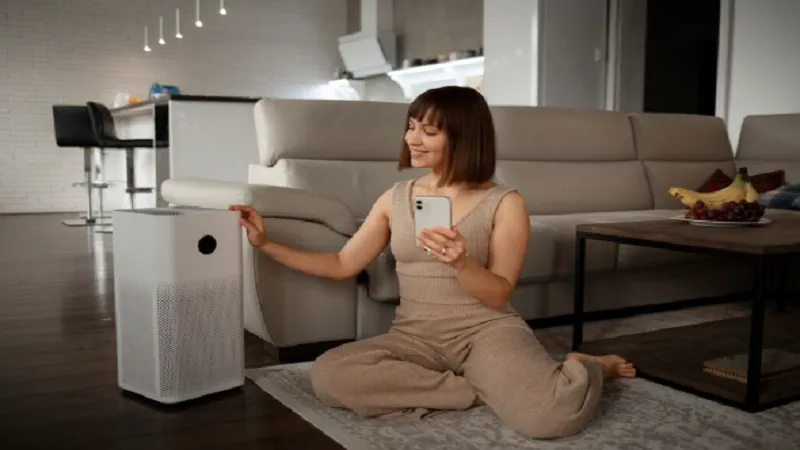
Smart home innovations are reshaping how households manage comfort, energy use, and indoor air quality. Heating and cooling systems are no longer standalone machines operating with fixed settings; they are becoming responsive, data-driven systems that adjust automatically to user behavior and environmental conditions. This shift is largely driven by connected devices, mobile control, and intelligent sensors, which enable homeowners to interact with their HVAC systems in real time. As energy costs fluctuate and climate conditions become less predictable, these technologies are helping households maintain consistent indoor temperatures while reducing unnecessary energy consumption. The integration of automation and connectivity is also making systems more intuitive, reducing manual adjustments and improving overall convenience for everyday living.
Smart systems reshaping indoor comfort
The Rise of Connected Climate Control Systems
Modern heating and cooling systems are increasingly built around connectivity, allowing users to control indoor environments through smartphones, tablets, and voice assistants. This transformation has changed how people interact with temperature regulation, shifting from manual thermostats to systems that learn preferences and adjust automatically. Sensors placed throughout the home can detect occupancy, humidity, and temperature variations, sending data to a central system that optimizes performance.
These advancements reduce energy waste by ensuring heating or cooling is used only when necessary. Over time, systems can adapt to household routines, such as lowering temperatures during sleep or adjusting cooling during peak daytime heat. This level of responsiveness creates a more stable indoor environment while helping households manage energy use more efficiently and conveniently.
Intelligent Learning in HVAC Performance
Artificial intelligence has introduced learning capabilities into heating and cooling systems, enabling them to analyze usage patterns and make predictive adjustments. Instead of relying on fixed schedules, these systems observe when occupants are home, how different rooms are used, and how external weather affects indoor temperatures. A growing number of homeowners now rely on platforms integrated with service providers like Atticman Heating and Air Conditioning to fine-tune these smart configurations for better long-term performance.
Over time, the system becomes more accurate in anticipating comfort needs, reducing sudden temperature fluctuations and unnecessary energy spikes. Machine learning algorithms also help identify inefficiencies in the system, enabling timely adjustments that improve reliability and extend equipment lifespan.
Smart Thermostats and User Behavior Adaptation
Smart thermostats have become one of the most recognizable elements of modern HVAC innovation. These devices do more than regulate temperature; they interpret user behavior and adapt accordingly. By tracking daily routines, such as wake-up times, work schedules, and nighttime preferences, they gradually build a profile of household comfort habits. This allows the system to make proactive adjustments without requiring constant manual input. Remote access further enhances control, enabling users to modify settings while away from home.
In addition, many smart thermostats provide energy reports that help homeowners understand their consumption patterns, encouraging more efficient use of heating and cooling systems over time while maintaining a comfortable living environment.
Integration With Broader Smart Home Ecosystems
Heating and cooling systems are increasingly becoming part of larger smart home ecosystems that connect lighting, security, and appliances into a unified network. This integration allows different systems to work together to optimize comfort and efficiency. For example, when a security system detects that no one is home, the HVAC system can automatically reduce energy usage. Similarly, smart blinds may adjust based on sunlight levels, reducing the need for artificial cooling.
This interconnected environment enables a coordinated approach to energy management, in which devices communicate and respond to one another. The result is a more seamless living experience in which temperature control is influenced by multiple data points throughout the home rather than by isolated settings.
Energy Efficiency Through Automation and Data Use
One of the most significant advantages of smart HVAC technology is improved energy efficiency driven by automation and real-time data analysis. Systems equipped with sensors and monitoring tools can identify energy waste and adjust operations accordingly. For instance, if a room is unoccupied, heating or cooling output can be reduced automatically. Weather forecasts can also be incorporated into system behavior, allowing adjustments before temperature changes occur.
This proactive approach reduces strain on equipment and lowers utility consumption over time. Homeowners benefit not only from reduced energy bills but also from a more consistent indoor environment that requires less manual intervention and maintenance.
Remote Monitoring and Predictive Maintenance
Remote monitoring has changed how heating and cooling systems are maintained, offering real-time insights into system performance. Homeowners and technicians can now detect issues before they become serious problems, thanks to continuous data tracking. Sensors can alert users to airflow restrictions, refrigerant levels, or irregular system cycles. Predictive maintenance uses this information to schedule repairs or servicing at optimal times, preventing unexpected breakdowns.
This approach reduces downtime and extends the lifespan of HVAC equipment. Additionally, remote diagnostics allow service providers to assess system health without always needing a physical inspection, making maintenance more efficient and responsive to actual system conditions.
Indoor Air Quality and Smart Regulation
Smart HVAC systems are also improving indoor air quality by monitoring pollutants, humidity levels, and ventilation patterns. These systems can automatically adjust airflow to reduce allergens, control moisture, and maintain healthier indoor conditions. Air quality sensors detect environmental changes and trigger ventilation responses when needed. This ensures that indoor spaces remain comfortable and safe without constant manual adjustments. In homes with varying occupancy levels or environmental exposure, this adaptability becomes especially valuable.
The integration of air-purification features into modern heating and cooling systems reflects a growing focus on overall well-being, not just temperature control, in residential environments.
The Future of Automated Climate Systems
The future of heating and cooling technology is moving toward even greater automation, with systems expected to become more autonomous and predictive. Advances in sensor accuracy, data processing, and machine learning will continue to refine how indoor environments are managed. Systems may eventually anticipate user needs with minimal input, adjusting conditions based on broader environmental patterns and personal preferences. As these technologies evolve, integration with renewable energy sources may also become more common, further enhancing efficiency. The continued development of smart HVAC systems signals a shift toward homes that actively manage their own comfort levels with minimal human intervention.
Smart home technology is fundamentally transforming how heating and cooling systems operate, shifting them from static machines to intelligent, responsive networks. Through connectivity, automation, and data-driven learning, these systems provide more consistent comfort while reducing unnecessary energy use. Homeowners benefit from greater control, improved efficiency, and enhanced indoor air quality, all managed through integrated digital platforms. As innovation continues, heating and cooling systems will likely become even more adaptive and predictive, aligning closely with lifestyle patterns and environmental conditions. This evolution marks a significant step toward more efficient and responsive living environments. See more