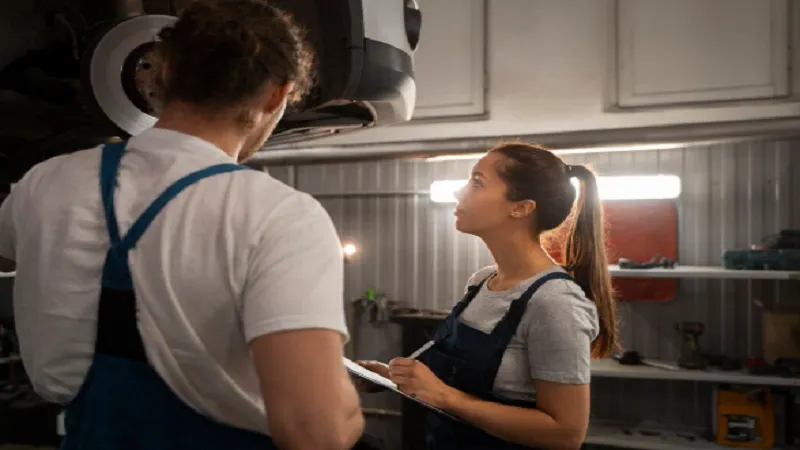
An air conditioning repair visit involves much more than simply replacing a damaged part or turning the system back on. A technician usually performs a careful inspection to understand why the AC is struggling, identify hidden problems, and determine what steps are needed to restore proper operation. Many issues that may seem minor, such as weak airflow or unusual sounds, can indicate deeper concerns within the system.
A professional repair appointment focuses on examining various components, testing performance, and ensuring the cooling equipment operates safely. Knowing what happens during this process helps homeowners feel more prepared and understand the value of regular AC care.
Understanding the Repair Process
Inside the Inspection Process
When an AC technician arrives at a home, the first part of the visit often involves gathering information about the system’s current condition. The technician may ask questions about recent changes, such as when the cooling problem started, whether the unit has been making strange sounds, or if the indoor temperature has become inconsistent. This conversation helps create a clearer picture before any tools are used. After understanding the symptoms, the technician typically checks the overall condition of the AC unit, including the indoor and outdoor components.
They look for visible damage, signs of wear, blocked areas, loose connections, and anything that could affect performance. A detailed evaluation helps prevent temporary fixes that fail to address the actual cause of the problem. For homeowners searching for reliable cooling solutions, understanding the role of HVAC in Greer, SC services can make it easier to recognize why a complete inspection matters. The technician’s goal is to locate the source of the issue and determine how each part of the system is contributing to the problem.
Checking Airflow and Indoor Comfort
One major area a technician examines during an AC repair visit is airflow throughout the home. Poor airflow can make rooms feel warmer even when the AC unit is running continuously. The technician checks vents, registers, duct connections, and the blower system to ensure air is moving properly. They may inspect filters because dirty or clogged filters can restrict circulation and force the system to work harder than necessary. The blower motor is also examined because it plays an important role in pushing conditioned air through the home. If this component is worn or malfunctioning, the cooling system may not distribute air evenly.
Technicians also pay attention to temperature differences between rooms, since uneven cooling can reveal problems with ductwork or system balance. During this stage, they are not only addressing immediate repair needs but also trying to understand how the entire cooling setup functions. Proper airflow supports comfort, reduces strain on the equipment, and helps the AC maintain consistent performance during demanding weather conditions.
Examining Electrical Components and Connections
Electrical inspections are another important part of an AC repair appointment because many system failures are connected to wiring or power issues. The technician checks electrical connections, safety controls, capacitors, relays, and other components that help the unit start and continue running. Loose wires or damaged electrical components can cause interruptions, reduce efficiency, or pose safety risks. The technician may also examine the thermostat connection to ensure the communication between the control system and the AC unit is working correctly.
A faulty thermostat can sometimes appear like a larger cooling problem when the actual issue is a simple control failure. Voltage measurements may be taken to confirm that the equipment is receiving the correct electrical supply. This process helps identify problems that are not always apparent during a basic inspection of the system. By reviewing electrical performance, the technician can determine whether repairs are needed and whether certain parts are causing repeated issues with the cooling system.
Reviewing Refrigerant Levels and Cooling Performance
The refrigerant system is another area that receives close attention during an AC repair visit. Refrigerant plays a major role in absorbing heat from indoor air and releasing it outside. If refrigerant levels are too low, the AC may struggle to cool the home, run for longer periods, or develop other performance problems. A technician checks for signs of leaks, because adding refrigerant without addressing a leak may only provide a temporary improvement. The inspection can involve examining refrigerant lines, connections, and other related components to identify potential sources of loss. The technician also evaluates how effectively the system is transferring heat during operation.
Cooling performance depends on several connected components working together, so refrigerant concerns are usually considered alongside airflow and mechanical conditions. Proper handling of refrigerant requires careful procedures because incorrect service can damage the equipment and affect system operation. A complete assessment allows the technician to determine whether the issue is related to refrigerant, another component, or a combination of factors affecting the AC’s ability to cool.
Inspecting the Outdoor Unit and Mechanical Parts
The outdoor unit is a critical part of the air conditioning system, and technicians carefully inspect it during repair visits. This component contains several mechanical parts that work together to release heat from the home. The technician checks the condenser coil, fan motor, blades, and the surrounding area to identify any issues affecting performance. Dirt, debris, or restricted airflow around the outdoor unit can reduce efficiency and increase operating pressure. The fan must also operate properly, as poor fan performance can prevent the system from dissipating heat effectively.
Mechanical parts are examined for unusual movement, wear, and signs of potential maintenance needs. The compressor, one of the most important parts of the cooling cycle, is also evaluated to ensure it is operating properly. Problems with the outdoor unit can lead to higher energy use and reduced comfort inside the home. A thorough inspection helps reveal whether the equipment requires repair, cleaning, or adjustments to continue functioning properly.
An AC repair visit involves many inspections that go beyond fixing an obvious problem. Technicians review airflow, electrical connections, refrigerant performance, mechanical components, drainage systems, and overall operation to assess the overall condition of the cooling equipment. Each inspection step provides important information about what may be causing discomfort or reduced efficiency. A careful repair approach helps prevent recurring issues and supports a longer operating life for the AC system.
Homeowners who understand these checks can better appreciate the importance of proper maintenance and timely repairs. Keeping the system in good condition helps maintain indoor comfort, improves reliability, and reduces the chances of unexpected breakdowns during periods of heavy use. See more