In today’s fast-paced world, the concept of home has evolved beyond just a place to live. It is now a reflection of personality, comfort, and lifestyle. Modern home design focuses on combining aesthetics with functionality, creating spaces that are not only visually appealing but also practical for everyday living.
Whether you are renovating your home or designing a new one, understanding current design trends can help you make better decisions and create a space you truly love. For more inspiration and expert tips on home design, you can visit, where you’ll find creative ideas tailored to modern living.
1. Minimalism: Less is More
One of the most dominant trends in modern home design is minimalism. This concept emphasizes simplicity, clean lines, and clutter-free spaces. Instead of filling rooms with unnecessary items, minimalism encourages homeowners to focus on essentials that add value and purpose.
Neutral color palettes such as white, beige, and gray are commonly used in minimalist designs. Furniture pieces are often sleek and functional, with hidden storage options to maintain a clean look. This style not only makes spaces appear larger but also creates a calming environment.
2. Open Floor Plans
Open floor plans have become increasingly popular in modern homes. By removing walls between living, dining, and kitchen areas, homeowners can create a spacious and connected environment. This layout is perfect for families and those who love entertaining guests.
Open spaces allow natural light to flow freely throughout the home, enhancing the overall ambiance. Additionally, it improves communication and interaction among family members, making the home feel more inviting and lively.
3. Smart Home Technology
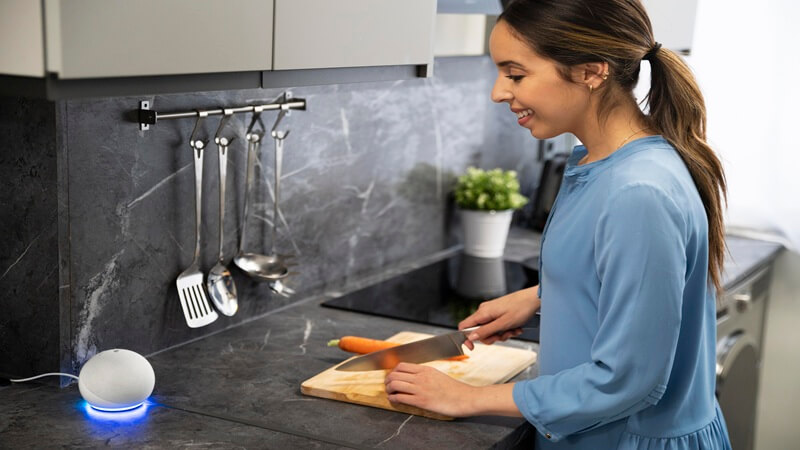
Technology plays a crucial role in modern home design. Smart home features such as automated lighting, security systems, and climate control are becoming standard in many households.
Voice-controlled devices and smartphone apps allow homeowners to manage their homes with ease. From adjusting the temperature to controlling lights, everything can be done with a simple command, making daily life more comfortable and efficient.
4. Sustainable and Eco-Friendly Design
Modern home design increasingly focuses on eco-friendly materials and energy-efficient solutions. Homeowners are now more conscious of their environmental impact and are choosing designs that reduce energy consumption.
Using materials like bamboo, recycled wood, and energy-efficient appliances can significantly lower a home’s carbon footprint. Solar panels, rainwater harvesting systems, and proper insulation are also becoming popular choices for sustainable living.
5. Multi-Functional Spaces
With changing lifestyles, especially after the rise of remote work, homes now need to serve multiple purposes. A single room may function as a home office, gym, or relaxation area.
Furniture that serves multiple purposes, such as sofa beds, foldable desks, and storage ottomans, is highly in demand. Designing flexible spaces allows homeowners to adapt their living environment according to their needs without requiring additional rooms.
6. Natural Elements and Biophilic Design
Bringing nature indoors is another key trend in modern home design. Biophilic design focuses on connecting indoor spaces with nature to improve mental well-being and overall health.
Large windows, indoor plants, natural wood finishes, and stone textures are commonly used to create this effect. Not only does this enhance the beauty of a home, but it also promotes a sense of calm and relaxation.
7. Bold Accent Features
While minimalism dominates, adding bold accent features is a great way to bring personality into a home. This can include statement walls, unique lighting fixtures, or colorful furniture pieces.
Accent walls with textured wallpaper or vibrant paint colors can instantly transform a room. Similarly, artistic décor items and custom furniture can make your home stand out while maintaining a balanced design.
8. Personalized Interior Design
Modern homeowners are moving away from generic designs and focusing on personalization. Your home should reflect your taste, preferences, and lifestyle.
Incorporating personal elements such as family photos, artwork, and customized furniture pieces adds character to your space. Mixing different styles—like modern with vintage—can also create a unique and appealing design.
9. Lighting as a Design Element
Layered lighting, which includes ambient, task, and accent lighting, helps create the right mood for different spaces. Pendant lights, LED strips, and chandeliers are commonly used to enhance the aesthetics of a room. Proper lighting can highlight architectural features and make spaces feel warm and welcoming.
10. Outdoor Living Spaces
Modern home design extends beyond interiors to include outdoor spaces. Patios, balconies, and gardens are now designed as extensions of indoor living areas.
Comfortable seating, outdoor kitchens, and decorative lighting can turn outdoor areas into perfect spots for relaxation and entertainment. This trend is especially popular among homeowners who value a connection with nature.
Conclusion
Modern home design is all about creating a balance between beauty, comfort, and functionality. By incorporating elements such as minimalism, smart technology, sustainability, and personalization, you can transform your home into a space that meets your needs and reflects your style.