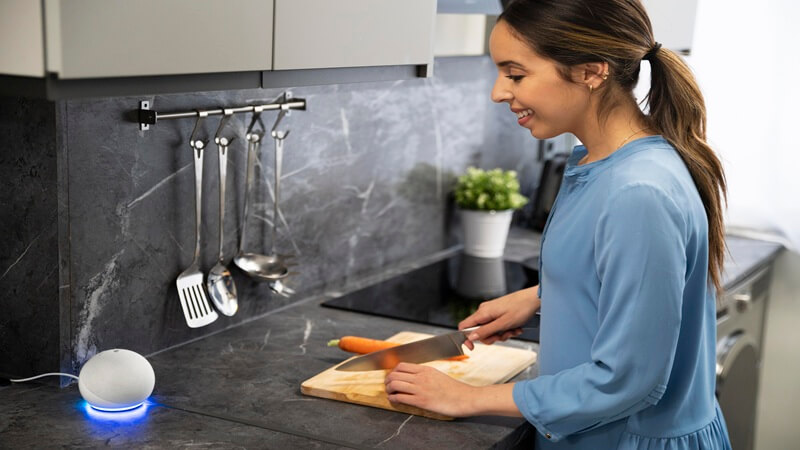
Home automation is transforming how modern households operate. It allows homeowners to monitor and control lighting, climate, security, and appliances using connected devices, schedules, and mobile apps. As technology evolves, smart homes are becoming more accessible, efficient, and secure.
In 2026, the adoption of the Matter standard has significantly improved device compatibility. Now, products from different brands can work together more smoothly than ever before. This complete guide explains how home automation works, its core components, best platforms, recommended devices, and practical steps to build your own smart home.
What Is Home Automation?
Home automation refers to the use of interconnected smart devices that automatically manage household systems. These systems communicate through Wi-Fi, Zigbee, Z-Wave, Thread, or Matter protocols.
Instead of manually switching lights or adjusting thermostats, you can:
-
Control devices remotely through apps
-
Use voice commands
-
Create automatic schedules
-
Build smart routines based on sensors
Because of these capabilities, home automation improves convenience, safety, and energy efficiency in modern homes.
How Home Automation Works
A smart home ecosystem operates through three main layers working together. Understanding these elements helps you design a reliable setup.
1. Central Hub (The Brain)
The central hub coordinates communication between devices and processes automation rules. Some systems operate fully in the cloud, while others support local processing.
Common hub options:
-
Amazon Echo devices
-
Google Nest Hub
-
Samsung SmartThings Hub
-
Home Assistant servers
The hub ensures that when a sensor detects motion, the appropriate device responds instantly.
2. Sensors and Detectors (Eyes and Ears)
Sensors collect environmental data and trigger automated actions. Without sensors, automation becomes limited.
Popular sensor types:
-
Motion sensors
-
Door/window sensors
-
Temperature sensors
-
Water leak detectors
-
Light sensors
-
Smoke and CO detectors
For example, a motion sensor can turn on hallway lights automatically at night.
3. Smart Devices / Actuators (Doers)
Smart devices execute the commands generated by the hub and sensors.
Common smart devices:
-
Smart bulbs
-
Smart plugs
-
Smart thermostats
-
Smart locks
-
Smart cameras
-
Smart blinds
Together, these components create a fully functional home automation ecosystem that reacts intelligently to your lifestyle.
Matter Standard: The Big Breakthrough in 2026
One of the biggest improvements in recent years is the Matter protocol. Previously, users struggled with compatibility issues between brands. Matter solves this problem.
Why Matter Matters
-
Works across Apple, Google, Amazon, and Samsung
-
Improves device interoperability
-
Enhances local control and reliability
-
Simplifies setup for beginners
-
Reduces dependence on cloud services
Because of Matter, building a mixed-brand smart home is now much easier and more reliable.
Best Home Automation Platforms in 2026
Choosing the right platform is critical. Your decision should depend on technical comfort, privacy needs, and existing devices.
Home Assistant (Best for Power Users)
Home Assistant is widely considered the most powerful smart home platform.
Pros:
-
Massive device compatibility
-
Local processing for privacy
-
Highly customizable
-
No mandatory cloud dependency
Cons:
-
Steeper learning curve
-
Requires some technical knowledge
This platform suits advanced users who want full control.
Amazon Alexa (Best for Ease of Use)
Amazon Alexa remains the most beginner-friendly ecosystem.
Pros:
-
Excellent voice control
-
Huge device support
-
Easy routines setup
-
New Alexa Plus AI features (2025/2026)
Cons:
-
Heavy cloud reliance
-
Privacy concerns for some users
Alexa works best for users who want plug-and-play simplicity.
Apple HomeKit (Best for Privacy)
Apple HomeKit focuses strongly on security and encryption.
Pros:
-
End-to-end encryption
-
Strong privacy protections
-
Smooth Apple ecosystem integration
-
Reliable local automations
Cons:
-
Fewer compatible devices
-
Higher product costs
This platform is ideal for iPhone and Apple users.
Google Home (Best for Android Users)
Google Home integrates deeply with Google services.
Pros:
-
Excellent Google Assistant voice control
-
Strong AI routines
-
Great Android compatibility
-
Easy device setup
Cons:
-
Limited advanced automation compared to Home Assistant
Google Home is perfect for users already invested in Google services.
Top Recommended Smart Devices for 2026
Choosing reliable hardware makes a huge difference in your smart home experience.
Smart Thermostat: Google Nest Learning Thermostat (Gen 4)
Key features:
-
Learns your schedule automatically
-
Advanced energy-saving algorithms
-
Remote climate control
-
Clean modern design
Many households reduce heating and cooling costs significantly with this device.
Smart Lighting: Philips Hue and TP-Link Kasa
Philips Hue (Premium)
-
Excellent color accuracy
-
Reliable performance
-
Wide ecosystem support
TP-Link Kasa (Budget-Friendly)
-
Affordable entry point
-
Simple setup
-
Strong app control
Lighting is often the easiest starting point for beginners.
Smart Security: Arlo Pro 6
Highlights:
-
2K video resolution
-
Wide field of view
-
Smart AI detection
-
Remote monitoring
Although some AI features require a subscription, the video quality is excellent.
Smart Plugs: TP-Link Kasa HS300 Power Strip
Benefits:
-
Independent outlet control
-
Energy monitoring
-
Voice assistant support
-
Easy automation rules
Smart plugs provide one of the cheapest ways to begin home automation.
Key Benefits of Home Automation
Smart homes offer more than convenience. They deliver measurable improvements in daily living.
1. Energy Efficiency
Smart thermostats and lighting systems can reduce energy bills by 20–30%.
How automation saves energy:
-
Lights turn off automatically
-
Thermostats adjust when you leave
-
Smart plugs cut phantom power
-
Schedules prevent waste
Over time, these savings can offset device costs.
2. Enhanced Home Security
Automation significantly improves home protection.
Security advantages:
-
Real-time mobile alerts
-
Remote camera monitoring
-
Smart lock control
-
Motion-activated lighting
-
Door and window alerts
Even when you travel, you can monitor your home instantly.
3. Convenience and Comfort
Smart homes reduce daily friction.
Examples:
-
Voice-controlled lighting
-
Automatic morning routines
-
Climate adjusts before you arrive
-
One-tap “Good Night” scenes
These small automations add up to major lifestyle improvements.
4. Accessibility and Independence
Voice control and automation help elderly users and people with mobility challenges.
Helpful features:
-
Hands-free lighting
-
Voice-activated locks
-
Automated medication reminders
-
Fall detection integrations
Smart homes can significantly improve independent living.
Step-by-Step: How to Start Your Smart Home
If you feel overwhelmed, follow this simple roadmap.
Step 1: Choose Your Platform
Start by selecting one ecosystem:
-
Alexa (easy)
-
Google Home (Android-friendly)
-
HomeKit (privacy-focused)
-
Home Assistant (advanced users)
Avoid mixing platforms early.
Step 2: Start Small
Begin with high-impact devices:
-
Smart bulbs
-
Smart plugs
-
Smart speaker
-
Motion sensor
This approach keeps costs low while you learn.
Step 3: Build Simple Automations
Create basic routines first.
Example routines:
-
Motion → hallway light ON
-
Sunset → porch light ON
-
Good night → all lights OFF
-
Away mode → thermostat eco
Keep automations simple and reliable.
Step 4: Expand Gradually
After gaining confidence, add:
-
Smart thermostat
-
Security cameras
-
Smart locks
-
Leak sensors
-
Smart blinds
Scaling slowly prevents compatibility headaches.
Step 5: Optimize with Matter Devices
When buying new hardware, prioritize Matter-compatible products. They future-proof your setup and improve cross-platform support.
Common Mistakes to Avoid
Many beginners make avoidable errors.
❌ Buying Too Many Devices at Once
Start small and expand gradually.
❌ Ignoring Wi-Fi Quality
Smart homes depend heavily on strong network coverage.
❌ Mixing Too Many Ecosystems
Stick primarily to one platform.
❌ Over-Automating
Too many automations can create confusion.
❌ Ignoring Local Control
Whenever possible, choose devices that support local automation for reliability.
Future Trends in Smart Homes
The smart home industry continues evolving rapidly.
Key trends to watch:
-
AI-driven predictive automation
-
More Matter-native devices
-
Improved local processing
-
Energy grid integration
-
Health monitoring sensors
-
Smarter voice assistants
In the coming years, homes will become increasingly proactive rather than reactive.
Final Thoughts
Smart homes are no longer a luxury reserved for tech enthusiasts. Thanks to Matter compatibility, improved AI assistants, and affordable devices, building a connected home in 2026 is easier than ever.
Start small, choose the right platform, and expand gradually. Focus on practical automations that genuinely improve daily life. With the right strategy, your home automation setup can deliver better comfort, stronger security, and meaningful energy savings for years to come.
For more info visit Hernlen